
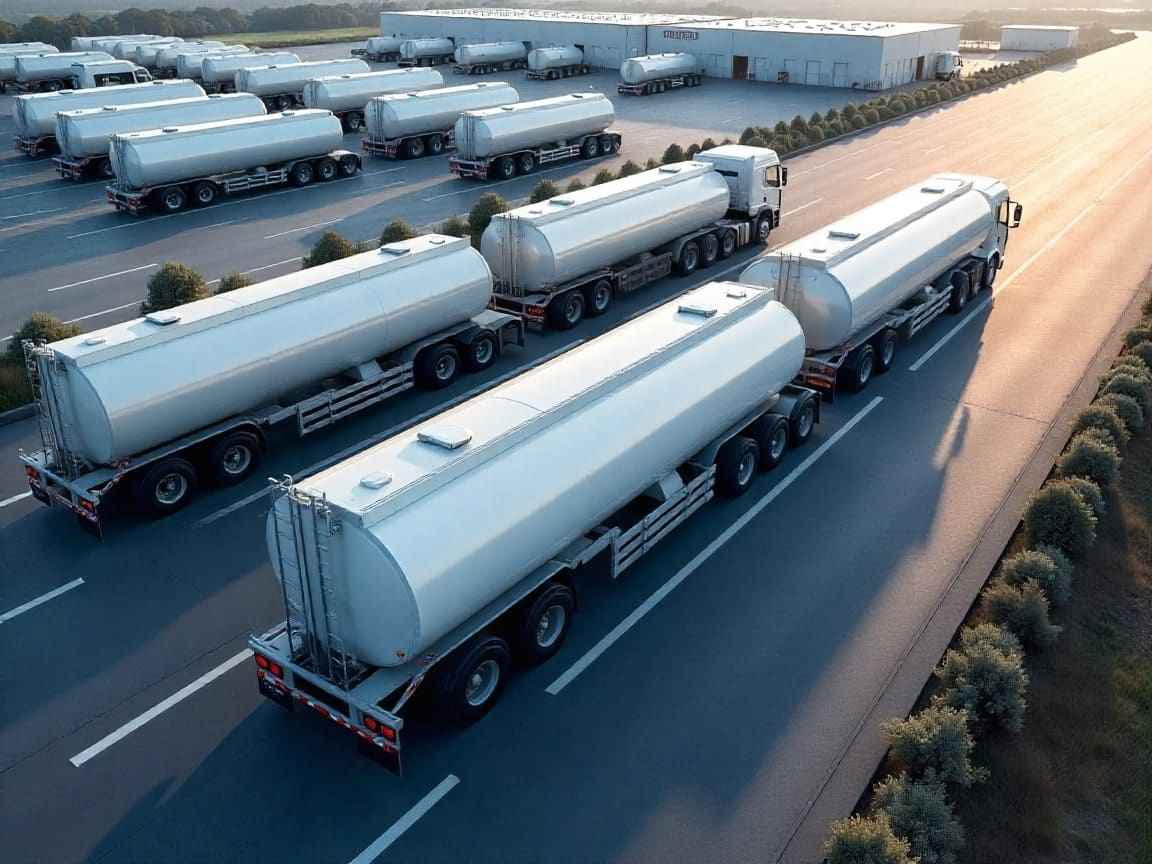
In Kenya's competitive industrial landscape, efficient fuel logistics can make the difference between profitability and losses. Manufacturing plants, mining operations, and construction sites depend on consistent fuel supply to maintain productivity. At Nomad Petrochem, we have developed comprehensive strategies that help industrial clients optimize their fuel management systems while reducing costs and improving operational efficiency.
Understanding Fuel Consumption Patterns
The first step in optimizing fuel logistics is understanding consumption patterns. Different industries have unique fuel requirements. Mining operations often need bulk diesel supply for heavy equipment, while manufacturing facilities may require a consistent flow of various petroleum products. By analyzing historical consumption data, companies can forecast demand more accurately and avoid both stockouts and excess inventory.
Strategic Fuel Storage Solutions
Proper fuel storage is critical for industrial operations. On-site storage tanks reduce dependency on frequent deliveries and provide a buffer against supply disruptions. However, storage comes with responsibilities including regular maintenance, safety compliance, and inventory management. Modern storage solutions incorporate automated monitoring systems that track fuel levels and alert managers when reordering is necessary.
Key Storage Considerations
- Tank capacity sizing based on consumption patterns and delivery frequency
- Safety systems including leak detection and fire suppression
- Environmental compliance with containment measures
- Quality control procedures to prevent contamination
- Security measures to prevent theft and unauthorized access
Delivery Scheduling and Route Optimization
Coordinating fuel deliveries with operational needs minimizes downtime. Advanced scheduling systems consider factors such as production calendars, equipment maintenance schedules, and seasonal demand variations. Route optimization technology helps logistics providers plan efficient delivery routes, reducing transportation costs and ensuring timely supply.
Successful fuel logistics management requires a partnership approach where suppliers understand client operations and work collaboratively to develop customized solutions.
Technology Integration
Digital tools are transforming fuel logistics management. Fuel management software provides real-time visibility into consumption, inventory levels, and delivery status. Automated ordering systems can trigger purchase orders when fuel levels reach predetermined thresholds. Mobile applications enable field managers to track deliveries and report issues instantly.
Cost Management Strategies
Fuel typically represents a significant operational expense for industrial companies. Effective cost management involves multiple strategies including bulk purchasing to secure volume discounts, timing purchases to take advantage of favorable market conditions, and implementing fuel efficiency programs that reduce overall consumption.
Practical Cost Reduction Measures
- Regular equipment maintenance to ensure optimal fuel efficiency
- Staff training on efficient equipment operation
- Fuel quality testing to prevent engine damage and inefficiency
- Monitoring and addressing fuel theft or wastage
- Evaluating alternative fuel options where appropriate
Risk Management and Contingency Planning
Supply disruptions can halt operations and cost millions in lost productivity. Robust contingency plans include maintaining strategic reserves, establishing relationships with multiple suppliers, and having emergency response protocols. Companies should regularly review and test their backup plans to ensure effectiveness when needed.
Conclusion
Optimizing fuel logistics for industrial operations requires a comprehensive approach that addresses storage, delivery, technology, costs, and risk management. By implementing best practices and working with experienced fuel suppliers like Nomad Petrochem, industrial companies can ensure reliable energy supply while controlling costs and maintaining operational excellence. The investment in proper fuel logistics management delivers returns through improved efficiency, reduced downtime, and better bottom-line performance.